
A leaking condensate pipe might seem minor, but it can lead to serious issues. These pipes are part of your HVAC system, designed to drain excess moisture. When they leak, they pose risks of water damage to your home.
Moisture damage from leaks can cause mould growth, which is a health hazard. Mould can spread quickly, affecting air quality and causing respiratory issues.
Water damage can also weaken your home’s structure over time. This can lead to costly repairs and even compromise the safety of your home.
Increased humidity from leaks can damage belongings and create discomfort. It’s crucial to address leaks promptly to prevent these problems.
Regular maintenance of your HVAC system can help prevent leaks. Understanding the signs of a leaking condensate pipe is key to protecting your home.
What is a Condensate Pipe and How Does it Work?
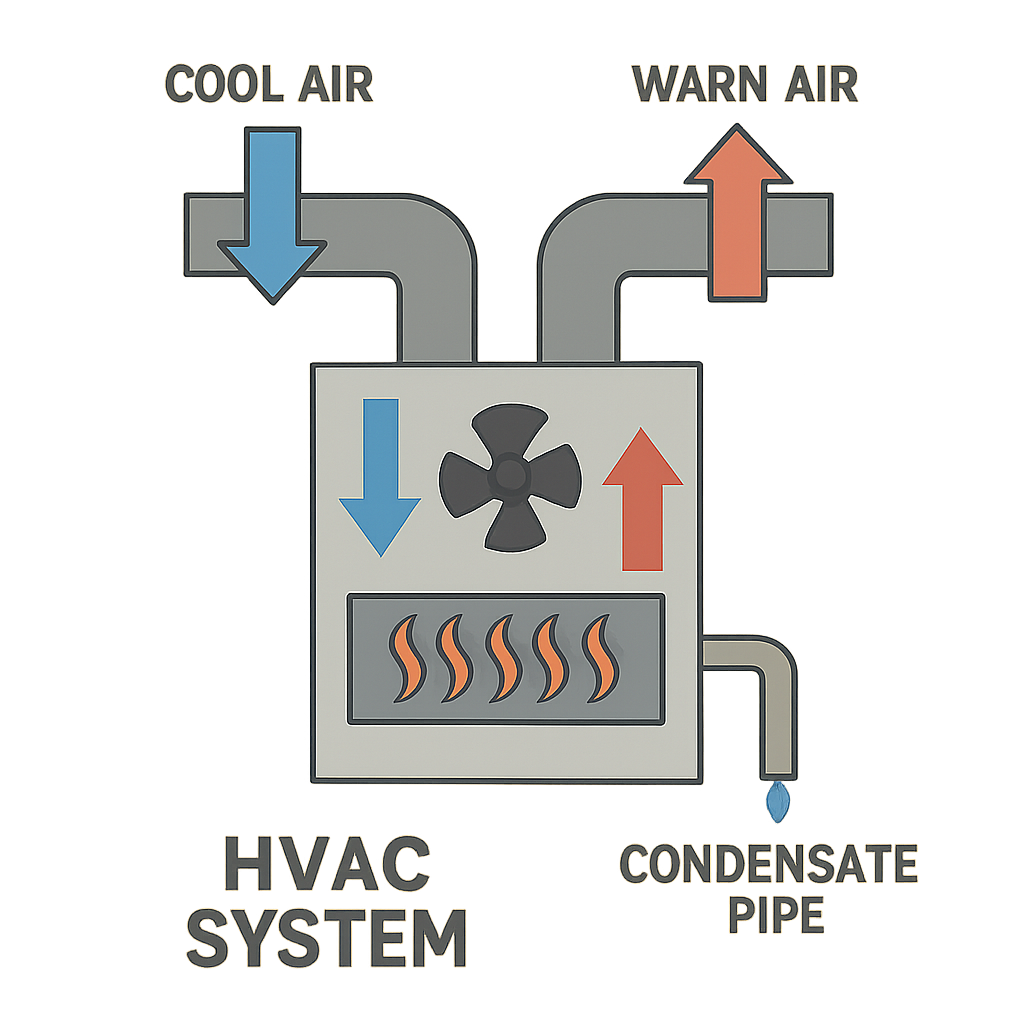
A condensate pipe is an integral component of HVAC systems. Its primary role is to channel and expel excess moisture generated during system operation. This moisture forms when your HVAC system cools or dehumidifies air.
This pipe typically runs from your HVAC system to the outside of your home. It prevents water accumulation, which could lead to damage. Without this pipe, the moisture would have nowhere to go, increasing water damage risks.
The process works through condensation. As warm air passes over cold evaporator coils, it cools down and moisture condenses. This water then drains away via the condensate pipe.
Key functions of the condensate pipe include:
- Carrying away excess moisture
- Preventing water buildup
- Reducing humidity levels
Ensuring the condensate pipe is functional can help keep your HVAC system efficient. Proper operation of this pipe prevents both moisture and structural damage.
Common Causes of Condensate Pipe Leaks
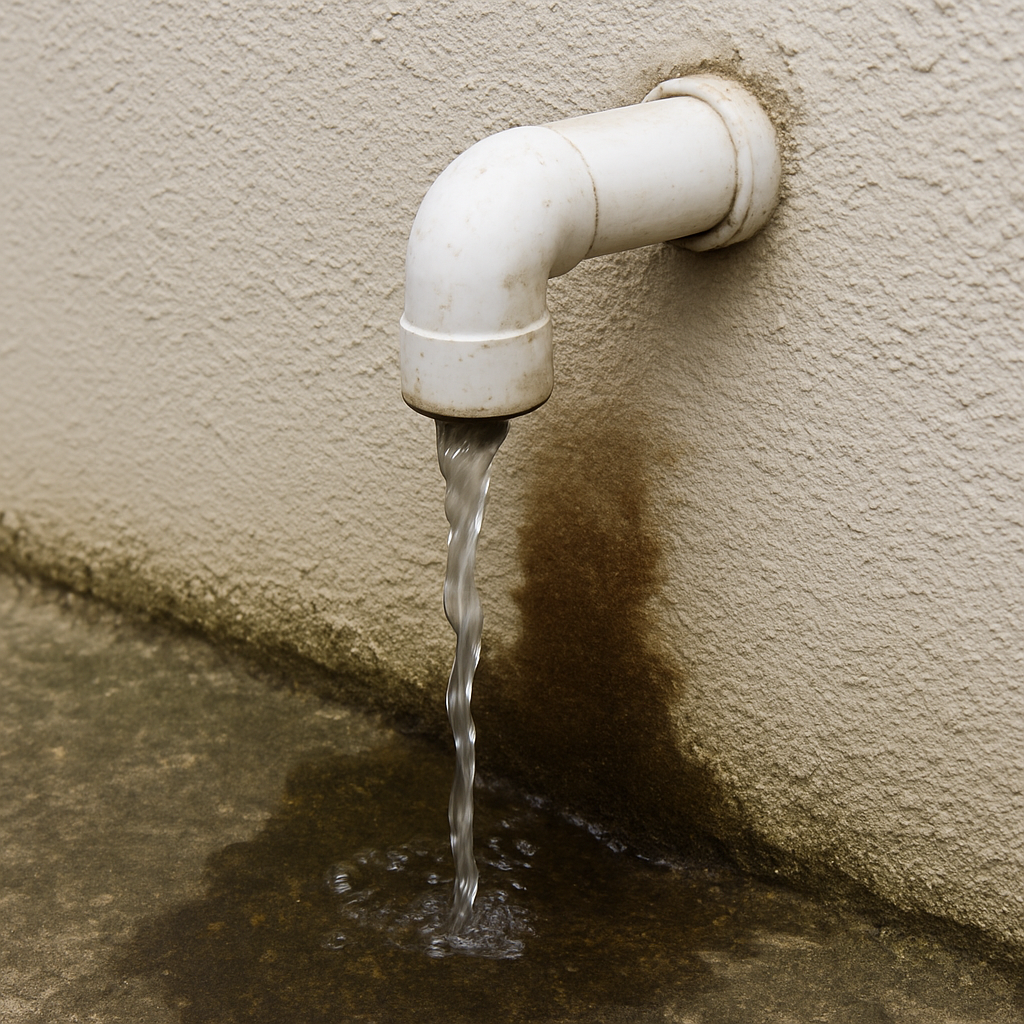
Leaks in condensate pipes can arise from several common issues. One prevalent cause is blockages, often due to debris or algae build-up inside the pipe. These blockages prevent water from draining properly, leading to leaks.
Corrosion is another factor that contributes to leaks in condensate pipes. Over time, pipes can degrade, resulting in cracks or holes through which water can escape.
Improper pipe installation is also a frequent culprit. If the pipe is not correctly aligned or secured, leaks may occur. Ensuring a correct slope is crucial for effective drainage.
Physical damage to the pipe, perhaps from external forces or pressure, can cause leakage as well.
Here are some typical causes of leaks:
- Blockages from debris or algae
- Pipe corrosion or wear
- Incorrect installation or alignment
- Physical damage or pressure
Identifying these issues early can save homeowners from extensive repairs. Regular inspection of the condensate pipe can help in detecting potential problems before they escalate.
Signs and Symptoms of a Leaking Condensate Pipe
Recognising the signs of a leaking condensate pipe is key to preventing severe damage. Water stains appearing on walls or ceilings can indicate a leak. These stains are often discoloured patches caused by the water seepage.
Dampness around the HVAC unit is another common symptom. If the area feels unusually moist, it may indicate a leak.
Unpleasant odours are a subtle yet significant sign. Stagnant water from leaks can result in musty smells in the home.
Listen for unusual sounds such as dripping or gurgling noises near the HVAC system. These can suggest water is not flowing properly.
Here’s a quick checklist for spotting leaks:
- Water stains on walls or ceilings
- Dampness around the HVAC unit
- Unpleasant, musty odours
- Dripping or gurgling sounds
Regular checks can help catch these indicators early and prevent costly repairs.
Is a Leaking Condensate Pipe Dangerous?
Yes, a leaking condensate pipe can be dangerous. It poses several risks to your home’s safety and integrity. Water seeping from a leak can slowly cause structural damage.
Over time, wooden components may warp or rot. Metal parts can corrode, leading to further issues. Additionally, leaks can increase humidity levels indoors. This creates an uncomfortable living environment and potentially damages belongings.
Moisture from leaks encourages mould growth. Mould not only harms surfaces but can also compromise air quality, posing health threats. Electrical systems might be at risk too. Water damage can lead to short circuits, creating fire hazards.
Here are the dangers associated with leaking pipes:
- Structural damage
- Increased indoor humidity
- Mould growth
- Electrical system risks
Leaks can also result in financial strain. Increased utility bills due to inefficient HVAC operation is common. Repairing extensive water damage can be costly if not addressed promptly.
Financial repercussions of leaks include:
- Higher utility costs
- Expensive structural repairs
- Mould remediation expenses
By addressing condensate pipe leaks early, you can safeguard your home and health whilst saving money in the long run.
Water Damage Risks from Leaking Condensate Pipes
Leaking condensate pipes may lead to severe water damage risks in homes. Water can seep into floors, walls, and ceilings.
Over time, this can weaken structural components, leading to costly repairs.
Another risk involves the home’s interior finishes. Wallpaper and paint may begin to peel or bubble. This not only affects aesthetics but also decreases property value.
Additionally, water damage can lead to the growth of mould and mildew. These fungi thrive in damp environments and can spread quickly. Their presence can cause health problems and further structural damage.
Furniture and personal belongings are also at risk. Water can stain, warp, or ruin items near the source of a leak. Damage can extend to electronics and appliances, potentially leading to malfunctions.
Key water damage risks include:
- Structural weakening
- Peeling finishes
- Mould growth
- Damage to belongings
Early detection and repair of leaks are crucial. Addressing issues promptly can mitigate the extent of water damage. Maintaining the health and safety of your home depends on proactive measures.
Moisture Damage and Its Impact on Your Home
Moisture damage occurs when water vapour accumulates in areas it shouldn’t. Leaking condensate pipes contribute significantly to this issue. Prolonged exposure to excess moisture can lead to pervasive damage in homes.
One major impact is the deterioration of building materials. Wood, plasterboard, and insulation can absorb moisture and degrade. This can compromise the home’s structural integrity over time.
High humidity levels, facilitated by leaks, create a welcoming environment for pests. Insects such as termites thrive in moist conditions. Their presence can result in additional damage and expenses.
Moisture can also cause finishes and fixtures to fade or warp. This affects the visual appeal of a space and requires repair or replacement. Preserving home aesthetics hinges on effective moisture control.
Key impacts of moisture damage include:
- Material degradation
- Pest infestations
- Aesthetic damage
Moisture mitigation is essential to maintaining a healthy living environment. Regular inspections and maintenance can prevent extensive damage. Take proactive steps to protect your home from moisture.
Health Risks Associated with Leaking Condensate Pipes
Leaking condensate pipes pose significant health risks. Mould and mildew thrive in damp conditions, often spread by such leaks. These fungi release spores that can be harmful when inhaled.
Individuals with respiratory issues, such as asthma, are particularly susceptible. Mould exposure can exacerbate symptoms, leading to increased discomfort.
Beyond respiratory issues, prolonged mould exposure may cause other health concerns. Skin irritation, eye redness, and sinus congestion are common complaints.
Key health risks linked to condensate leaks:
- Respiratory issues
- Allergic reactions
- Skin irritation
Addressing leaks promptly can mitigate these health hazards. Regular HVAC maintenance helps prevent mould growth and protect occupants’ well-being.
How to Prevent Condensate Pipe Leaks
Preventing condensate pipe leaks begins with regular maintenance. Consistent checks ensure the HVAC system operates efficiently, reducing leak risks.
Keeping the condensate lines clean is crucial. Blockages often lead to overflows and leaks. Regular cleaning prevents clogs and promotes smooth drainage.
Proper insulation of pipes also plays a vital role. Insulation helps prevent condensation, a common cause of leaks. Ensuring pipes are correctly sealed further reduces the potential for leaks.
Key prevention tips include:
- Schedule regular HVAC maintenance
- Clean condensate lines frequently
- Insulate and seal pipes properly
Educating household members about leak signs can aid early detection. Prompt action at the first indication of trouble can save costly repairs and protect your home.
What to Do If You Discover a Leak
Discovering a leaking condensate pipe can be alarming. First, turn off your HVAC system. This step helps prevent further water damage.
Next, examine the pipe for visible issues. Check for clogs, cracks, or disconnects. Small problems like these can often be fixed easily.
You might be able to perform a quick temporary fix. Use materials on hand, like duct tape, for immediate action until professional help arrives.
Immediate actions include:
- Turning off the HVAC system
- Inspecting the pipe for damage
- Performing a temporary fix
Addressing the leak promptly can minimise damage to your home.
If the problem persists, contacting a professional ensures comprehensive repairs and prevents future issues.
When to Call a Professional
Sometimes, dealing with a leaking condensate pipe requires expert attention. If the leak continues despite your efforts, it’s time to call a professional plumber .
Visible damage or corrosion on pipes is a sign you need help. Also, if you notice significant water damage, don’t delay seeking professional plumbing services.
Consider professional help when:
- DIY solutions fail
- You see extensive damage
- Continuous leaks occur
Quick action ensures effective repair and prevents further home damage. Professional expertise provides peace of mind.
Frequently Asked Questions About Condensate Pipe Leaks
Curious about condensate pipe leaks? Here are some common questions answered. Understanding the basics can help prevent and manage leaks.
What causes condensate pipe leaks?
Leaks often stem from blockages, corrosion, or improper installation.
Regular maintenance helps to avoid these issues.
How can I identify a leak?
Look for water stains, damp areas, or unusual odours around your HVAC unit. Prompt detection minimises damage.
What are the first steps if I notice a leak?
Turn off the HVAC system and inspect for visible issues. Consider professional assistance for persistent problems.
By addressing these FAQs, homeowners can manage leaks efficiently, protecting their property from extensive damage.
Protecting Your Home from Water and Moisture Damage
Preventing and addressing condensate pipe leaks is crucial for maintaining a safe, efficient home environment.
Regular HVAC maintenance, early leak detection, and timely repairs significantly mitigate water and moisture damage risks.
Always consider consulting professionals for persistent issues to ensure comprehensive, effective solutions, safeguarding your property in the long run.